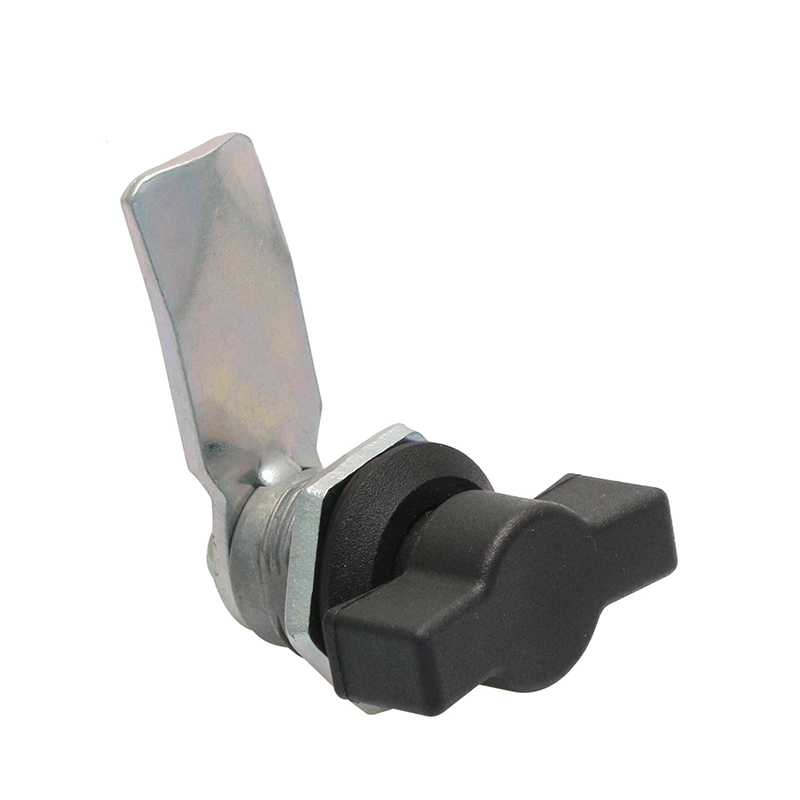
Zinc alloy and stainless steel are two materials used for making industrial locks. JIEKAI is a company that specializes in manufacturing locks, and we often hear questions about which material is better. Both materials have their own strengths and weaknesses. Knowing these differences can help you make a better choice for your needs. Let's take a closer look at the key differences between zinc alloy and stainless steel when it comes to industrial locks.
What Are the Key Differences Between Zinc Alloy and Stainless Steel in Industrial Locks?
Zinc alloy is a mix of zinc with other metals like aluminum and copper. This combination makes it lightweight and easy to mold into different shapes. Zinc alloy locks are often less expensive than stainless steel cabinet locks. They are also resistant to rust and good for indoor use. However, they might not be the best choice for outdoor use because they can be less durable under harsh conditions. On the other hand, stainless steel is a strong and heavy material known for its ability to resist corrosion. It’s often used in places that face harsh weather or need strong security. Stainless steel locks can handle heavy-duty use and last a long time, making them a popular choice for outdoor applications. However, stainless steel can be more expensive than zinc alloy. It’s heavier and harder to shape, which can affect manufacturing costs.
Zinc Alloy vs. Stainless Steel
When comparing zinc alloy and stainless steel, consider what you really need. If you want something lightweight and cost-effective for indoor use, zinc alloy might be the way to go. For example, if you’re locking up a storage room or a garage that doesn’t face the elements, zinc alloy locks can do the job well. They come in various styles and finishes, so you can find one that matches your needs. On the flip side, if you need something that can withstand outdoor conditions, stainless steel is probably your best bet. This material is often used for locks on gates, fences, or anything exposed to rain or snow. Stainless steel locks are tough and can take a beating, making them great for high-security areas. JIEKAI offers both options so you can choose what fits your situation the best. In the end, the choice between zinc alloy and stainless steel will depend on where you plan to use the lock and how much you want to spend.
Zinc Alloy vs. Stainless Steel Options
When it comes to making locks for factories, warehouses, and other places, two popular materials are zinc alloy and stainless steel. Zinc alloy is a mix of zinc with other metals like aluminum and copper. This combination makes it strong and light. On the other hand, stainless steel is a type of steel that has added nickel and chromium. This mix helps it resist rust and corrosion. Companies like JIEKAI use both materials for their locks, but each has its own benefits and downsides.
Zinc alloy locks are often less expensive than stainless steel locks. This makes them a good choice if you need many locks but don’t want to spend too much money. They are also lighter, which can be helpful if you need to carry them around or install them in different places. However, zinc alloy is not as strong as stainless steel. If someone tries to break the lock, it might bend or break more easily.
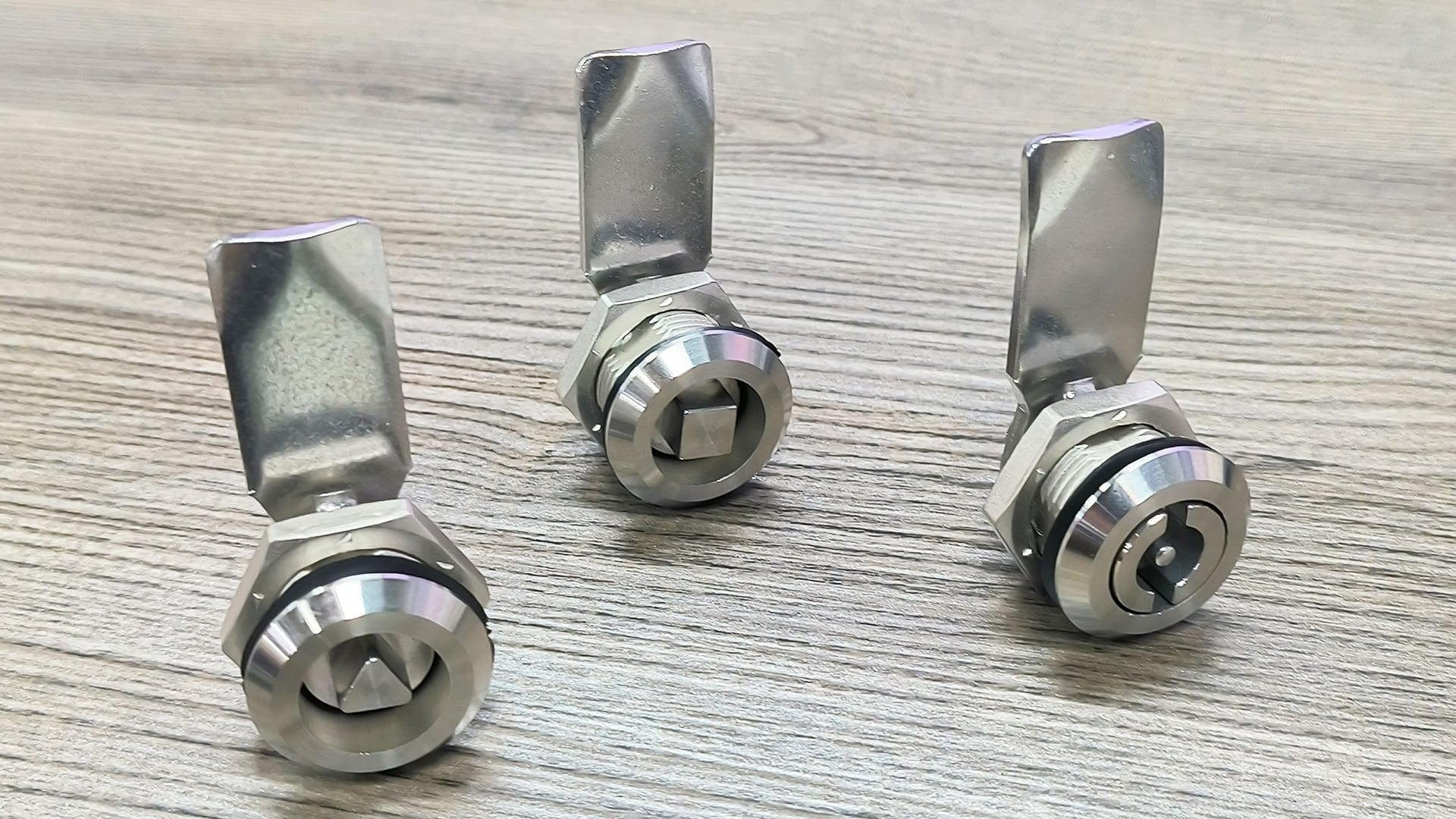
Stainless steel locks are more durable and can handle tough conditions. They are less likely to rust, which makes them great for outdoor use or in places where they might get wet. Because they are stronger, these stainless steel bolt lock can last longer than zinc alloy locks. But, they can be more expensive and heavier. If you need a lock that can take a beating and keep working, stainless steel might be the better choice. JIEKAI offers a range of locks in both materials so you can pick what’s best for your needs.
Zinc Alloy vs. Stainless Steel
When we compare zinc alloy and stainless steel, it is important to think about where and how the locks will be used. Zinc alloy locks are great for indoor use, like in offices or homes. They can look nice and come in different colors and designs. Many people like them because they can match the style of the doors. However, if you are using them in a place that gets a lot of moisture, like a bathroom or outside, they might not last as long.
On the other hand, stainless steel locks are much better for tough places. They can withstand harsh weather and won't rust easily. If you live in a rainy area or near the ocean, stainless steel locks are a smart choice. They can also handle more force, so they are less likely to break when someone tries to force them open. JIEKAI’s stainless steel locks are built to last and give you peace of mind.
It's also important to think about how often you will use the lock. If it’s for something that you need to open and close a lot, like a storage unit, you might want a stronger lock. Stainless steel could be better for that situation. However, if it’s just for a drawer or a closet, a zinc alloy lock might work just fine. In short, the right choice depends on your specific needs and where you plan to use the lock.
What Are the Best Practices for Maintaining Zinc Alloy and Stainless Steel Locks?
To keep your locks working well, whether they are made of zinc alloy or stainless steel, it’s essential to take care of them. For zinc alloy locks, try to keep them dry and clean. If they get wet, make sure to wipe them down with a cloth. You can also use a mild soap and water solution to clean them, but be careful not to scrub too hard, as this could scratch the surface. Regular cleaning helps prevent dirt and grime from building up, which can make the lock hard to open.
For stainless steel locks, it’s also important to keep them clean. You can use the same mild soap and water solution for these locks. After cleaning, dry them off well to prevent any water spots or rust from forming. If you notice any rust starting to appear, you can use a fine steel wool or a rust remover to take it off gently. JIEKAI recommends checking your handle lock regularly to ensure they are in good condition.
Another great tip is to lubricate your locks. Using a silicone-based spray or lock lubricant can help them open and close more smoothly. Just a little bit goes a long way, so don’t use too much. Avoid using oil-based lubricants, as they can attract dust and dirt, which might cause problems later. Remember, taking care of your locks is important to make sure they last a long time and keep your belongings safe!