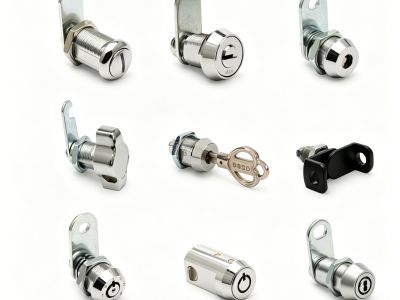
As Original Equipment Manufacturers (OEMs) strive for efficiency and consistency, standardizing cam lock specifications across multi-SKU enclosure lines has become a critical focus. This approach addresses key buyer concerns, such as compatibility, quality control, and operational efficiency. We'll explore various considerations for selecting cam locks, sourcing reliable components, best practices, common challenges, and material advantages that help OEMs streamline their processes and enhance product reliability
What to Consider When Choosing Cam Locks for Multi-SKU Enclosures
When selecting 20mm cam locks for multi-SKU enclosures, several factors must be taken into account. First, assess the intended application environment; factors such as exposure to moisture, temperature fluctuations, or potential chemical interactions can significantly impact the performance of the locks. For instance, a stainless steel cam lock may be preferable for outdoor installations due to its corrosion resistance, while a zinc alloy lock may be suitable for less demanding applications
Next, consider the locking mechanism type. Different mechanisms, such as keyed, combination, or electronic locks, offer varying levels of security and convenience. OEMs should evaluate end-user requirements to select a mechanism that aligns with their security needs and operational protocols
Additionally, the dimensions of the cam lock are vital. Ensure that the lock fits within the specified enclosure design without compromising its functionality. This includes checking the lock's throw length, which affects how securely the lock engages with the enclosure. Buyers should also confirm compatibility with existing hardware to avoid installation issues
Lastly, standardization across SKUs can simplify inventory management and procurement processes. By choosing a common cam lock design for multiple products, OEMs can reduce complexity and ensure consistent quality
Where to Source Reliable Cam Locks for Manufacturing Projects
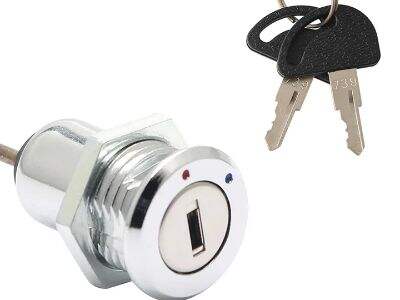
Sourcing reliable cam locks is crucial for maintaining production schedules and ensuring product quality. Start by researching suppliers with a proven track record in manufacturing industrial locking systems. Look for companies that specialize in materials relevant to your application—like zinc alloy and stainless steel—since these materials significantly influence durability and performance
Request product samples during the sourcing process to evaluate the physical characteristics and functionality of the locks. This step is essential for confirming that the locks meet your specifications and performance requirements. Additionally, conducting quality checks on samples can help identify any potential issues before mass production
Consider suppliers who offer customization options, as this can be beneficial for tailoring locks to specific enclosure designs. Customization can include variations in size, finish, or locking mechanisms, allowing for greater flexibility in product design
Finally, ensure that the supplier has robust quality control measures in place. Reviewing their manufacturing processes and certifications can provide insights into their commitment to quality. Engage in discussions about their production capacity and lead times to align with your project timelines
Best Practices and Tips
To optimize the selection and procurement of keyed cam locks, OEMs should follow these best practices
Establish Clear Specifications: Define your requirements clearly, including materials, dimensions, locking mechanisms, and performance criteria. This clarity will help suppliers provide accurate quotations and samples
Evaluate Multiple Suppliers: Don't settle for the first supplier you find. Compare multiple companies based on their product offerings, pricing, and lead times to ensure you make an informed decision
Conduct Thorough Testing: Before mass production, ensure that selected cam locks are tested under actual operating conditions. This testing should include evaluating durability, ease of use, and compatibility with the enclosure
Maintain Open Communication: Keep lines of communication open with your suppliers throughout the process. This collaboration can help address any issues that arise quickly and maintain project timelines
Document Everything: Maintain thorough documentation of specifications, supplier communications, and testing results. This documentation can be invaluable for future projects and quality assurance
Common Problems with Cam Locks and Effective Solutions for Buyers
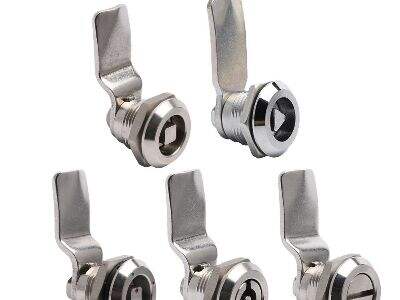
While cam locks are generally reliable, buyers may encounter common problems that can affect their performance and usability
Misalignment: This can occur if the lock isn’t properly installed or if the enclosure design is incompatible. To mitigate this, ensure precise measurements and check alignment before finalizing installation
Corrosion: If inappropriate materials are used for specific environments, locks may corrode over time. Buyers should select material based on the environmental conditions, opting for stainless steel for outdoor use or environments with high humidity
Key Management Issues: For keyed locks, lost or misplaced keys can lead to accessibility problems. Consider implementing a master key system or using electronic locks that offer keyless entry, which can enhance security and ease of access
Wear and Tear: Regular use can lead to wear, impacting the locking mechanism's effectiveness. Buyers should schedule routine maintenance checks to ensure locks are functioning properly and replace any that show signs of significant wear
By proactively addressing these issues, buyers can enhance the longevity and reliability of their cam locks
Understanding Material Advantages of Cam Locks in Enclosure Applications
The choice of material significantly impacts the functionality and durability of cam locks. Here’s a breakdown of the advantages of various materials commonly used in cam lock manufacturing
Zinc Alloy: Known for its excellent die-casting properties, zinc alloy cam locks are cost-effective and provide decent strength and corrosion resistance. They are ideal for indoor applications where exposure to harsh elements is minimal
Stainless Steel: Renowned for its strength and corrosion resistance, stainless steel cam locks are suitable for both indoor and outdoor applications. They can withstand harsh environments, making them a preferred choice for industrial enclosures subject to moisture or chemical exposure
Copper: While not as commonly used, copper cam locks offer unique aesthetic qualities and antimicrobial properties. They can be beneficial in applications that require a certain look or where hygiene is a concern, such as in medical equipment
When selecting a material, consider the specific application and environmental conditions that the cam locks will face. Each material has its unique benefits, and understanding these can guide buyers to make the best choice for their enclosure lines
By taking these considerations into account, OEMs can effectively standardize cam lock specifications across their multi-SKU enclosure lines, ultimately enhancing product reliability and operational efficiency