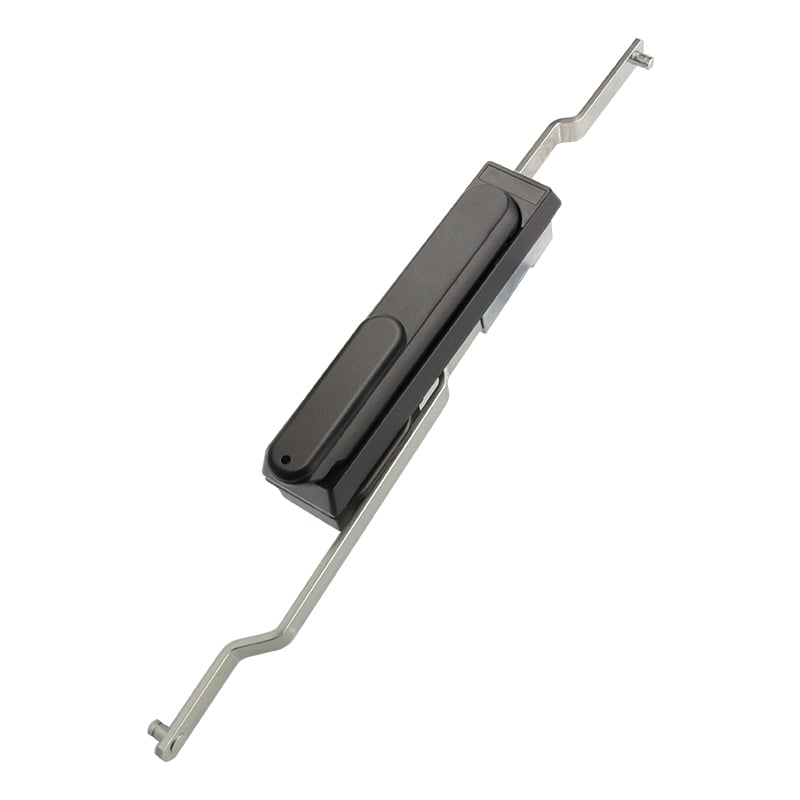
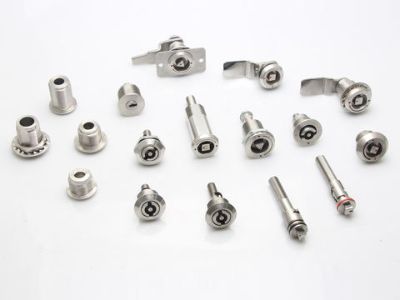
Understanding the Compression Latch Material Certification Requirements for Food and Pharma Enclosures is crucial for ensuring compliance and functionality in sensitive applications. These requirements help guarantee that the latches used in food and pharmaceutical environments meet safety and hygiene standards. As a B2B buyer, your main concerns will likely revolve around material suitability, supplier reliability, and regulatory compliance. This article will outline essential certification requirements, identify trustworthy suppliers, address common challenges, compare materials, and provide tips for effective procurement
What Are the Material Certification Requirements for Compression Latches
When sourcing compression latches for food and pharmaceutical enclosures, it is essential to ensure that the materials used meet stringent certification requirements. These requirements typically align with standards such as FDA regulations, USDA guidelines, and international certifications like ISO 22000 for food safety management systems
Key material considerations include
Corrosion Resistance: Materials must resist corrosion from exposure to moisture, cleaning agents, and other substances prevalent in food and pharmaceutical environments. Stainless steel is a common choice due to its durability and resistance to rust
Chemical Compatibility: The latch materials must withstand various chemicals used in cleaning and sterilization processes. Suppliers often provide data sheets detailing chemical resistance properties
Non-Toxicity: All materials should be non-toxic and compliant with food safety regulations to prevent contamination. This includes certifications like NSF/ANSI Standard 51 for plastics used in food equipment
Hygienic Design: Latches should be designed to minimize crevices where bacteria can thrive, which is vital for maintaining cleanliness in sensitive environments
Buyers should verify these certifications with potential suppliers to ensure compliance and safety
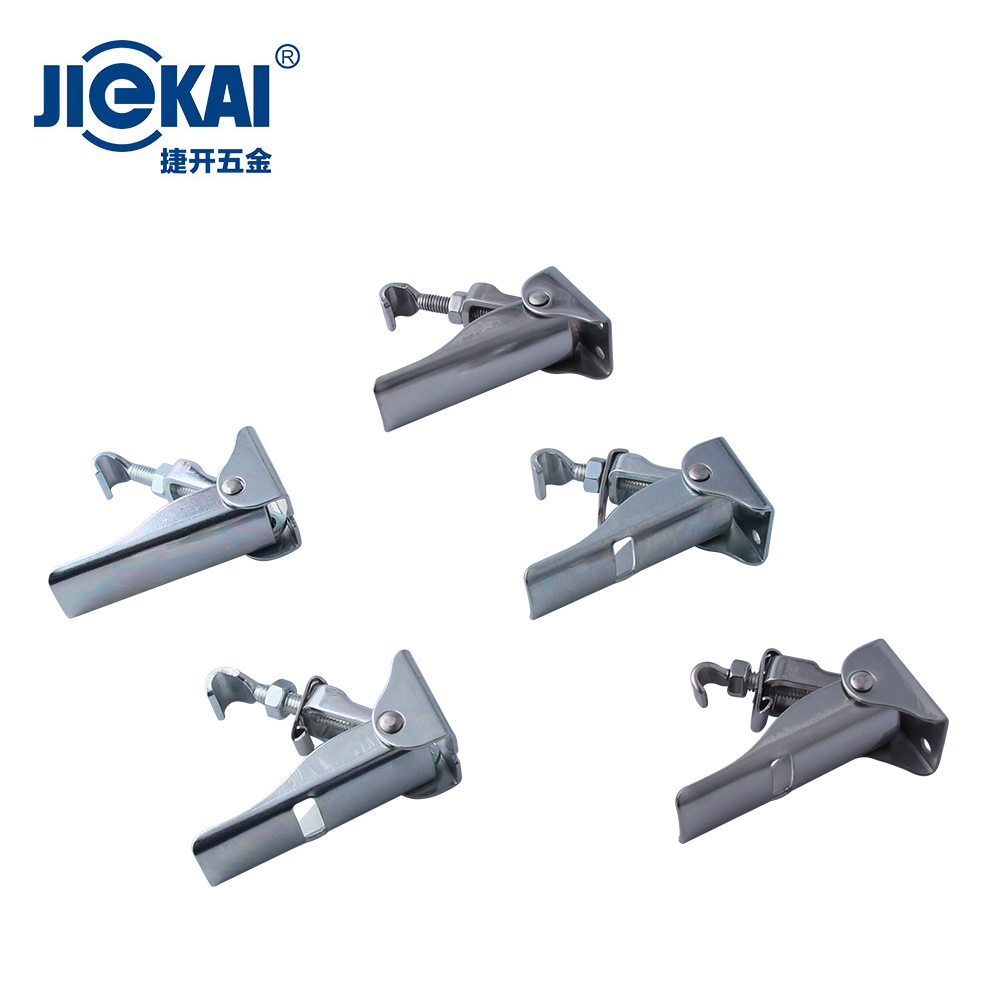
Identifying Reliable Compression Latch Suppliers
Finding reliable suppliers for compression latches is critical. Start by evaluating their experience in manufacturing latches specifically for the food and pharmaceutical industries. Consider the following factors
Certifications: Ensure that the supplier has relevant certifications, such as ISO 9001 for quality management systems or specific industry certifications for food safety
Manufacturing Capabilities: Assess their capability to produce latches that meet your specifications, including material choices and custom design requirements. Suppliers should also demonstrate robust quality control processes
Track Record: Look for suppliers with a proven history of serving reputable clients in the food and pharmaceutical sectors. Request references or case studies to gauge their reliability
Technical Support: A reputable supplier should provide comprehensive technical support and guidance on material selection, installation, and maintenance. This assistance can be invaluable in ensuring long-term performance
Lead Times and MOQ: Understand lead times and minimum order quantities (MOQ) to ensure that the supplier can meet your production schedules
Common Problems with Compression Latches and Their Solutions for Buyers
Several common issues can arise with stainless steel compression latches, impacting their functionality and reliability. Recognizing these problems can help buyers make informed decisions
Misalignment: Latches that do not align correctly can lead to improper sealing, risking contamination. Buyers should verify the dimensions and installation requirements before ordering
Wear and Tear: Regular use can wear down compression latches, especially in harsh environments. Choose materials with high durability ratings, such as stainless steel or reinforced plastics, to enhance longevity
Corrosion: Inadequate corrosion resistance can lead to latch failure, particularly in humid or chemically aggressive environments. Ensure that the chosen material is suitable for the specific conditions it will face
Inadequate Sealing: A lack of proper sealing can allow contaminants to enter food or pharmaceutical products. Buyers should confirm that the latch design includes features for effective sealing and that it meets necessary certification requirements
To mitigate these issues, consider conducting thorough pre-production tests and requiring samples for evaluation before committing to large orders
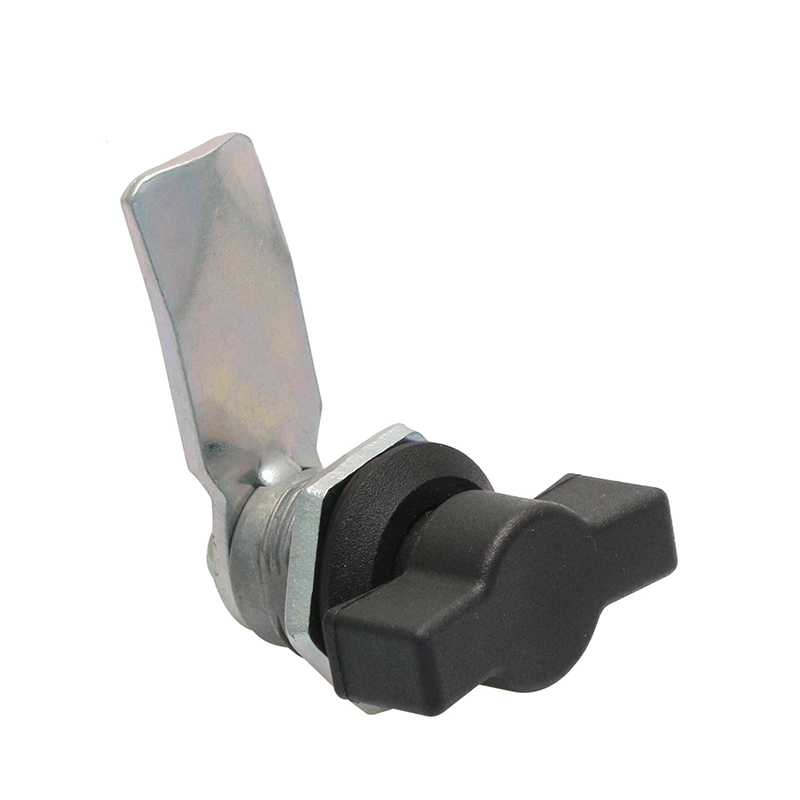
Zinc Alloy vs. Stainless Steel
When selecting materials for compression latches, zinc alloy and stainless steel are two of the most common options, each with unique advantages and considerations
Zinc Alloy: This material is typically more affordable and offers good corrosion resistance in non-extreme environments. However, it may not hold up well against harsh chemicals or extreme temperatures, which can be critical in food and pharmaceutical applications
Stainless Steel: Known for its superior strength and resistance to corrosion, stainless steel is often the preferred choice for food and pharmaceutical environments. It can withstand rigorous cleaning processes and is less likely to degrade over time. While it may come at a higher cost, its durability often results in lower long-term costs due to reduced replacement frequency
Ultimately, the choice between these materials should be guided by the specific operational environment and expected exposure to chemicals and moisture
Tips for Project Purchasers
To streamline the procurement process for compression latches, here are some actionable tips for project purchasers
Define Requirements Clearly: Before reaching out to suppliers, outline your specific needs, including dimensions, material specifications, and performance requirements. This clarity will aid in obtaining accurate quotations
Request Detailed Specifications: When you receive quotes, ensure they include comprehensive specifications, certifications, and compliance details. This will help you assess whether the supplier meets your quality standards
Evaluate Samples: Always request samples before placing a bulk order. Testing the samples in real-world conditions can reveal potential issues that might not be apparent from specifications alone
Discuss Customization Options: If your project requires unique features, engage with suppliers about customization capabilities. Understand their ability to adapt designs to meet specific application needs
Plan for Lead Times: Consider the lead times when placing orders. Discuss potential delays or challenges with suppliers upfront to avoid disruptions in your supply chain
By following these guidelines, buyers can enhance their purchasing decisions and ensure they source high-quality heavy duty compression latches suitable for food and pharmaceutical applications