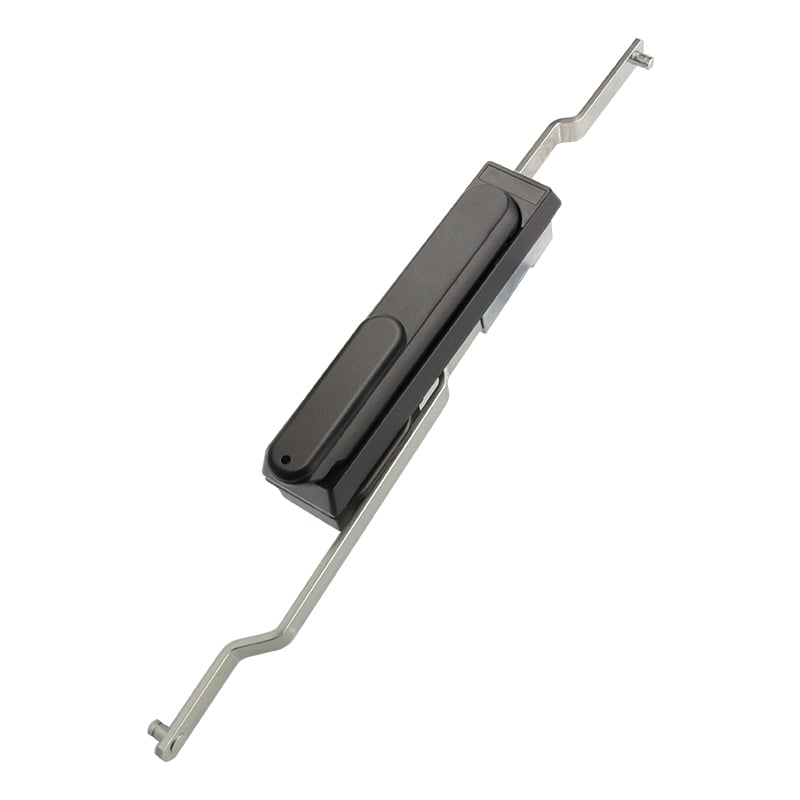
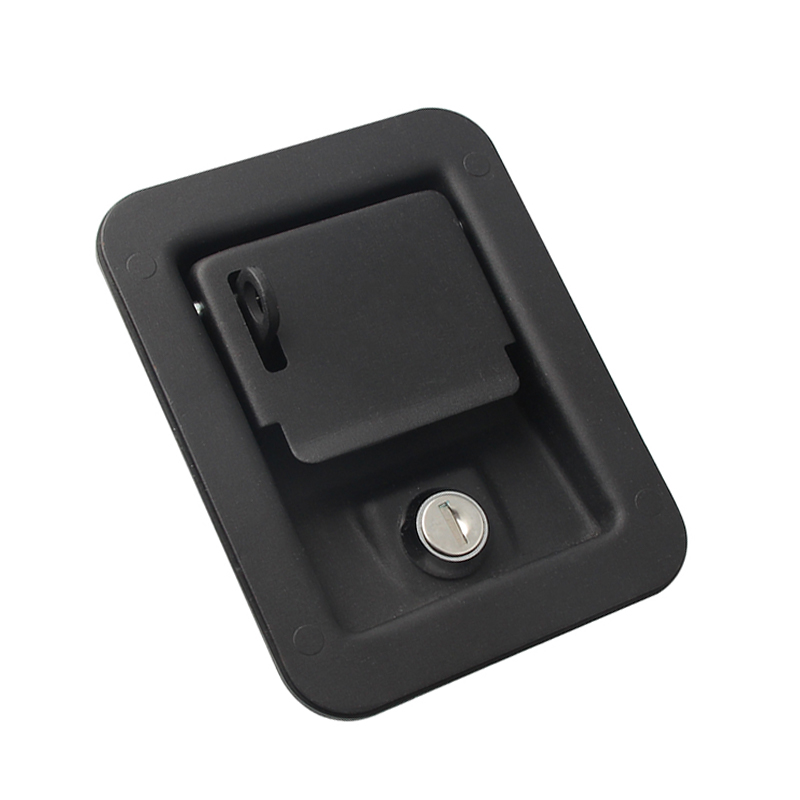
When integrating RV locks into an OEM production line, selecting the right rv lock keyless supplier like JIEKAI is crucial for ensuring quality, compatibility, and performance. A comprehensive RV Lock Supplier Qualification Checklist for OEM Production Line Integration can guide purchasing managers and engineers in making informed decisions. This article addresses the key specifications to consider, cost factors in procurement, and essential steps for supplier comparison, while also tackling installation challenges and sourcing reliable suppliers for bulk orders.
Key Specifications for Selecting Quality RV Lock Suppliers
When evaluating RV lock suppliers, the first step is to identify key specifications that will meet your application requirements. These specifications typically include:
Material Composition: RV locks are often made from materials such as zinc alloy, stainless steel, and copper. Each material offers different benefits in terms of durability, corrosion resistance, and aesthetic appeal. For example, stainless steel provides excellent resistance to rust, making it ideal for outdoor applications.
Lock Mechanism Type: Understanding the mechanism—whether deadbolt, latch, or electronic—is essential. The choice affects security levels and ease of use. An electronic lock may offer advanced features like remote access, while a traditional lock may be easier to install and maintain.
Dimensions and Compatibility: Ensure that the dimensions of the lock fit the intended application. Incompatible dimensions can lead to installation issues, requiring rework or leading to compromised security. Measure the existing door or frame to prevent operational problems.
Quality Certifications: Look for suppliers with quality management certifications such as ISO 9001. These certifications indicate a commitment to maintaining high-quality standards throughout the production process.
Testing and Compliance: Verify that the locks comply with relevant industry standards such as ANSI or BHMA. Testing for factors like strength, durability, and weather resistance is crucial to ensure long-term performance. By focusing on these specifications, you can better assess potential suppliers and their ability to meet your requirements.
Understanding Cost Factors in Wholesale RV Lock Procurement
Cost considerations are pivotal when procuring RV locks in bulk. The price of locks can vary based on several factors:
Material Costs: The choice of material significantly impacts unit pricing. For example, locks made from premium stainless steel may have a higher upfront cost but can provide better longevity and lower maintenance costs over time.
Production Volume and MOQ: Suppliers often have a minimum order quantity (MOQ) that can affect pricing. Larger orders typically result in lower unit prices, but it's essential to balance volume with actual needs to avoid excess inventory.
Customization Options: Custom features—such as branding, color, or specific locking mechanisms—may increase the cost. Discussing JIEKAI rv trailer door locks customization options early in the negotiation can help align your budget with supplier capabilities.
Logistics and Shipping: Consider the costs associated with shipping and handling, as these can vary based on the supplier's location and your delivery requirements. Suppliers located closer to your facility may reduce freight costs.
Long-Term Value: While initial costs are important, consider the long-term value of the locks, including durability, warranty, and maintenance costs. Sometimes, opting for a higher-quality lock can lead to savings in replacements and repairs. Understanding these cost factors enables you to make more informed purchasing decisions that align with your budget and quality expectations.
Essential Steps for Comparing RV Lock Suppliers Effectively
When comparing RV lock suppliers, it's crucial to conduct a thorough evaluation to ensure that you select the best fit for your production line. Here are some essential steps to follow:
Request Samples: Before making a commitment, request samples from potential suppliers. This allows you to evaluate the quality, fit, and functionality in real-world conditions.
Conduct Quality Inspections: Review the quality control processes of each supplier. Understanding how they monitor production quality—such as through in-line inspections or final product testing—can provide insights into their reliability.
Evaluate Manufacturing Capabilities: Assess whether the supplier has the necessary manufacturing capabilities to meet your volume and customization needs. This includes reviewing their die-casting and CNC machining capabilities, as well as their production equipment.
Check References and Reviews: Speak to other clients or check online reviews to gauge the supplier's reputation. First-hand accounts can provide valuable insights into their reliability and service quality.
Negotiate Terms: Once you've narrowed down your options, negotiate terms related to pricing, lead times, and payment conditions. Clear agreements can prevent misunderstandings later in the process.
By following these steps, you can make a more informed comparison of RV lock suppliers, ensuring that you choose one that aligns with your operational needs.
Common Installation Challenges with RV Locks and Solutions
While installing RV locks, several challenges may arise that could impact functionality and security. Awareness of these potential issues and their solutions is crucial for a successful installation:
Misalignment: One common issue is the misalignment of the lock with the door frame. This can lead to improper locking or difficulty in operation. To address this, ensure that the door and frame are properly measured and that any installation templates provided by the supplier are followed closely.
Weather Resistance: RV locks must withstand various weather conditions. Choose locks designed for outdoor use, featuring weather seals or coatings that enhance corrosion resistance. Regular maintenance, including lubrication and inspection, can help prevent failures due to environmental exposure.
Electrical Issues in Electronic Locks: If using electronic locks, power supply issues can lead to operational problems. Ensure that the installation includes proper wiring and that backup options, such as key overrides, are available in case of battery failure.
Material Compatibility: Different materials may react poorly to one another, leading to wear or damage. Ensure that the lock material is compatible with the door material to mitigate this risk. By proactively addressing these challenges, you can enhance the reliability and longevity of the installed RV locks.
Where to Source Reliable RV Lock Suppliers for Bulk Orders
Finding reliable suppliers for bulk orders of RV locks requires strategic sourcing. Here are some effective strategies:
Industry Trade Shows: Attending trade shows related to the RV or manufacturing industry can provide opportunities to meet suppliers, view products in person, and establish relationships.
Online Marketplaces and Directories: Utilize B2B platforms and directories that specialize in industrial hardware. Websites like ThomasNet, Alibaba, or industry-specific marketplaces can offer a wide range of suppliers.
Networking with Industry Peers: Engage with industry colleagues and peers to gather recommendations on reputable suppliers. Networking can lead to valuable insights and trusted contacts.
Request for Quotation (RFQ): Prepare and send RFQs to multiple suppliers detailing your specific requirements. This process can help identify suppliers who are willing and able to meet your needs while allowing for price comparisons.
Local Distributors: Consider local distributors who may carry RV locks and can provide personalized service. Local suppliers often have a better understanding of regional needs and may offer quicker turnaround times. By leveraging these sourcing strategies, you can find JIEKAI reliable keyless rv door lock suppliers capable of meeting your bulk order needs effectively.