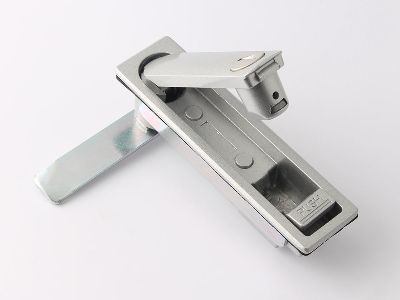
In the realm of industrial applications, panel locks play a crucial role in securing equipment and maintaining operational integrity. Understanding panel lock corrosion test standards that meet buyer audit requirements is essential for purchasing managers and engineers tasked with selecting reliable locking systems. This article will outline key aspects of panel lock corrosion testing, supplier evaluation, specifications, common challenges, and important buyer considerations to ensure that you make informed purchasing decisions
Understanding Panel Lock Corrosion Test Standards for Buyers
Corrosion test standards are critical for assessing the durability and longevity of panel locks, especially in environments where exposure to moisture, chemicals, or extreme temperatures is a concern. Common standards include ASTM B117 for salt spray testing, which evaluates the resistance of materials to corrosion in a saline environment. Another important standard is ISO 9227, which also examines corrosion resistance through various exposure conditions
For buyers, understanding these standards helps in evaluating the performance of panel locks. A lock that passes rigorous corrosion testing is more likely to withstand harsh conditions, ensuring that it will perform effectively over its intended lifespan. When reviewing suppliers, verify that their products meet these standards and that they can provide documentation of compliance, as this is often a requirement during buyer audits
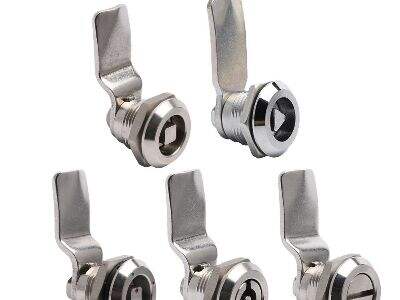
How to Choose Reliable Panel Lock Suppliers for Your Projects
Selecting a dependable supplier for panel locks involves several critical factors. First, assess the supplier's manufacturing capabilities and experience in producing locking systems. Companies like Jiekai Hardware, with a decade of expertise in die-casting and CNC machining, often have the technical know-how and quality control processes in place to ensure product reliability
Next, consider the supplier's quality assurance measures. A robust quality control process, including testing for corrosion resistance and other performance metrics, is vital. Request certifications and test results that demonstrate compliance with relevant industry standards. Additionally, inquire about customization capabilities to ensure the locks can meet specific project requirements
Finally, check for references or case studies from previous clients. A supplier with a proven track record in similar applications can provide confidence in their ability to deliver high-quality products that meet your needs
Key Specifications for Panel Locks That Meet Quality Standards
When evaluating panel lock with key, several key specifications should be considered to ensure they meet your project's quality standards. These include:
Material Composition: Common materials include zinc alloy, stainless steel, and copper. Each material offers different corrosion resistance and strength properties, making it essential to choose one that aligns with your application requirements
Finish and Coating: Surface treatments such as powder coating or plating can enhance corrosion resistance. Verify that the locks have appropriate finishes that comply with your environmental conditions
Load Capacity: Understanding the load requirements is vital to ensure the locks can withstand the forces they will encounter during use. Check the manufacturer's specifications for load ratings and test results
Dimensions and Compatibility: Ensure the locks' dimensions are suitable for your applications, including how they fit into existing equipment. Dimensions should be confirmed before ordering to avoid compatibility issues
By focusing on these specifications, buyers can select panel locks that not only meet quality standards but also perform reliably in their specific application environment
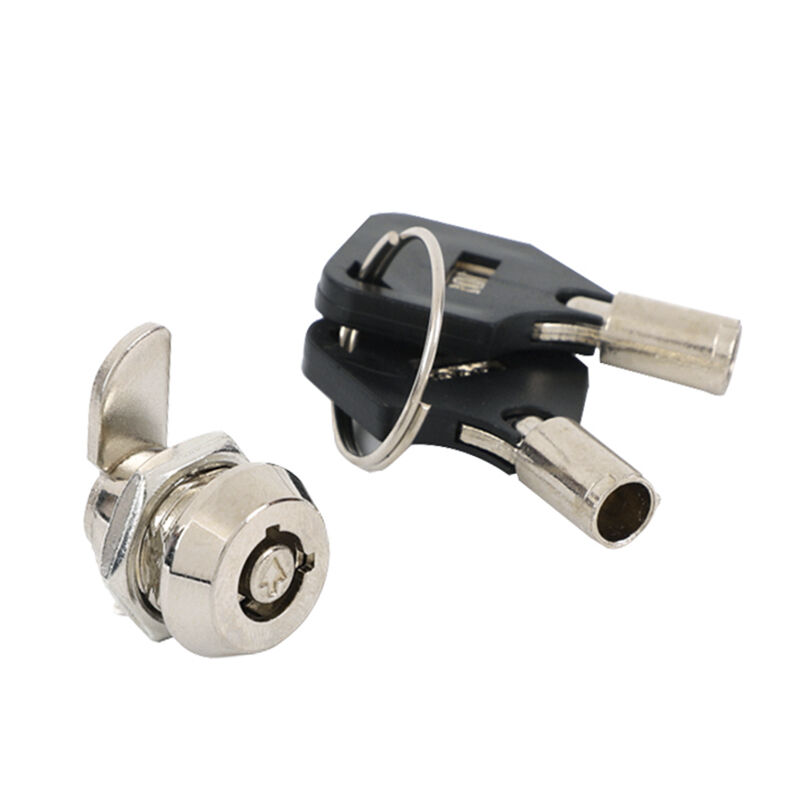
Common Problems with Panel Locks and Effective Solutions
Despite the durability of panel locks, several common problems can arise during their use. One frequent issue is corrosion, particularly in environments exposed to moisture or corrosive substances. To mitigate this, ensure that the locks are made from high-quality materials with appropriate corrosion-resistant finishes
Another common problem is misalignment during installation, which can lead to operational issues. To avoid this, provide clear installation guidelines and confirm that the dimensions of the locks match the intended application
Additionally, some locks may experience wear and tear over time, especially with frequent use. Regular maintenance inspections can help identify any signs of wear early, allowing for timely replacements or repairs before they lead to failures
By proactively addressing these issues, buyers can enhance the reliability and longevity of their panel locks
What Buyers Need to Know
When preparing to purchase control panel locks, buyers should gather specific information to facilitate the quotation process. Key details include the type of panel lock required, material preferences, expected load capacity, and any customization needs. Providing the supplier with comprehensive specifications will enable them to deliver accurate quotes and lead times
It is also crucial to discuss packaging and shipping requirements, as these can impact delivery schedules and costs. Confirm the minimum order quantity (MOQ) to ensure that your purchasing needs align with the supplier's production capabilities
Before finalizing an order, request samples to evaluate the product firsthand. Testing samples under actual operating conditions can reveal potential issues that may not be apparent through specifications alone. This step is critical in ensuring that the final product meets performance expectations
Finally, establish clear communication with your supplier regarding any certifications or compliance documentation required for your audit processes. This transparency can streamline the procurement process and build a strong partnership for future projects
By focusing on these considerations, buyers can make informed decisions that lead to successful procurement of panel locks that meet their project needs